 Musser Automotive
Musser Automotive
Musser Automotive
Engine oil is the lifeblood of your vehicle. It lubricates moving parts, reduces friction, cools the engine, and carries away dirt and debris. Clean, effective oil keeps your engine running smoothly and helps it last longer.
However, oil breaks down over time. Heat, contaminants, and driving habits all play a role in how quickly it degrades. Many drivers follow the standard mileage recommendation, but real-world conditions often shorten oil life significantly.
In Bowling Green, Kentucky, local weather, traffic patterns, and road types create unique challenges for engine oil. Understanding these factors helps you decide when to change your oil and protect your investment.
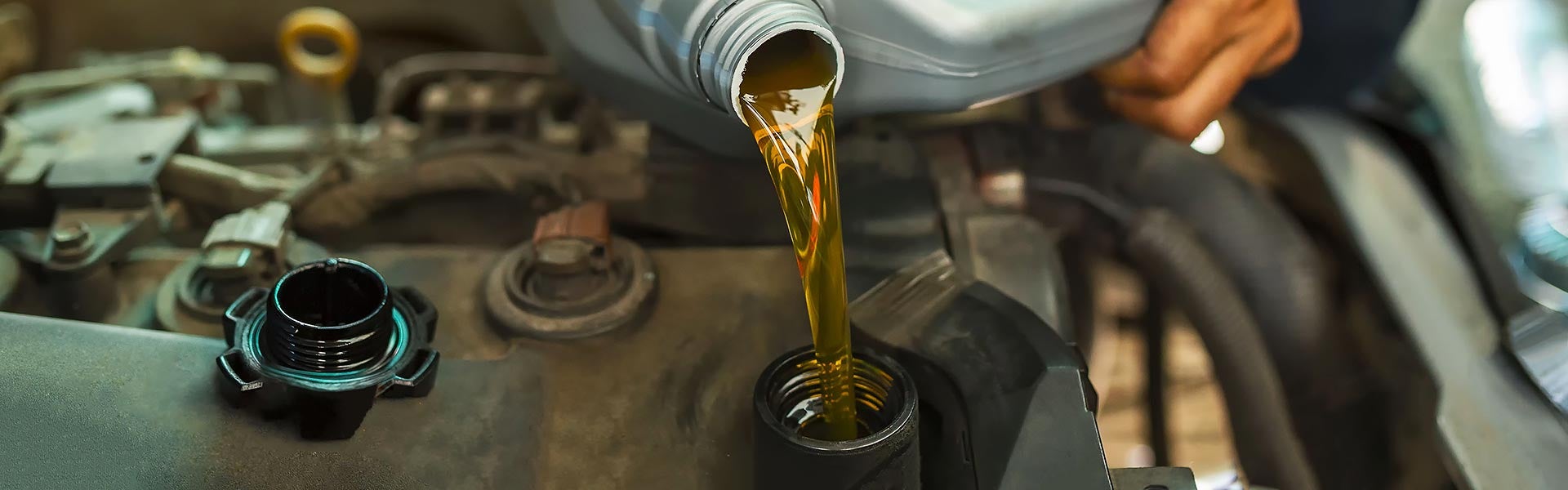
Car manufacturers provide two main oil change schedules: one for “normal” driving and one for “severe” conditions. Normal driving assumes mostly highway miles in mild weather. Severe conditions include short trips, extreme temperatures, stop-and-go traffic, dust, and idling.
Most drivers in Bowling Green actually fall into the severe category without realizing it. Local weather and daily routines speed up oil breakdown, making more frequent changes necessary to prevent engine wear.
When you need service, searching for reliable Oil changes Bowling Green, KY or “Oil Changes Near Me” can connect you with shops familiar with our area’s driving challenges.
Bowling Green experiences hot, humid summers and cold winters. Summer temperatures often climb into the 90s, while winter mornings can dip below freezing. These swings stress engine oil in different ways.
High heat causes oil to thin and oxidize faster. Oxidation creates sludge and varnish that can clog passages. Cold temperatures make oil thick, slowing flow during startup when engines need lubrication most.
Cold starts also create condensation inside the engine. Moisture mixes with oil, forming harmful acids that increase wear on bearings and other components.
Kentucky’s humid climate is especially tough on engine oil. Summer humidity regularly exceeds 70–80%, allowing moisture to enter the crankcase through normal breathing.
Water in oil creates emulsion—a milky substance that reduces lubrication. It also forms acids that corrode metal parts. Over time, these contaminants turn oil dark and thick.
Bowling Green’s downtown area, Western Kentucky University traffic, and daily errands create plenty of stop-and-go driving. Low speeds and frequent stops keep the engine running without good airflow cooling.
Constant idling and short bursts of acceleration cause fuel to wash past piston rings, diluting the oil. Diluted oil loses viscosity and protective strength faster.
Engines also run hotter in traffic, speeding up oxidation. All these factors combine to degrade oil more quickly than steady highway cruising.
Many Bowling Green residents commute on I-65 or take longer trips. Steady highway speeds are actually easier on engine oil than city driving.
Consistent speeds allow oil to reach full operating temperature. Hot oil burns off moisture and fuel contaminants that build up during short trips.
Good airflow keeps engine temperatures stable, reducing thermal stress on the oil. Highway miles help oil last closer to the “normal” schedule.
Spring pollen in Bowling Green is heavy, and rural roads around the area kick up dust. These particles can enter the engine through the air intake if filters are dirty.
Fine contaminants bypass filters and mix with oil, acting like sandpaper on moving parts. Over time, they thicken oil and clog passages.
Regular air filter checks are especially important here to keep abrasive particles out of the crankcase.
Many daily routines in Bowling Green—school runs, quick errands, short commutes—mean lots of trips under 10 miles. These prevent oil from reaching full operating temperature.
Cool oil retains moisture and unburned fuel. Over many short trips, sludge builds up and additives deplete quickly.
If most of your driving is short trips, consider more frequent oil changes to prevent long-term engine damage.
Given Bowling Green’s mix of heat, humidity, traffic, and short trips, most drivers benefit from following the severe-service schedule. This typically means changes every 3,000–5,000 miles instead of 7,500–10,000.
Modern vehicles with oil life monitors adjust recommendations based on actual driving conditions. Pay attention to the monitor—it accounts for local factors better than mileage alone.
For detailed guidance on choosing the right interval for your vehicle and habits, see our article on oil change intervals.
Driving conditions in Bowling Green, Kentucky, can shorten engine oil life compared to ideal highway driving. Heat, humidity, stop-and-go traffic, dust, and short trips all contribute to faster breakdown.
By recognizing these local factors, you can schedule oil changes at the right time. Proper maintenance protects your engine from unnecessary wear and helps it deliver reliable performance for years.
Paying attention to how and where you drive makes a real difference in keeping your vehicle healthy on Bowling Green roads.
Musser Automotive, based in Bowling Green (1343 Old Louisville Rd, Bowling Green, KY 42101), delivers a premier Oil changes Bowling Green, KY service built on the honest commitment of a family-owned business, backed by professional expertise and ASE certification. The firm provides a comprehensive range of solutions for vehicle owners seeking reliable Oil Changes Near me, ensuring quality lubrication and peak engine performance. Recognized for its efficient and thorough service and proven by over 530 excellent 4.9-star reviews, its team of ASE Certified technicians operates from 7 a.m. on weekdays and can be contacted on its primary line, +1 270-904-0267.
Name: Musser Automotive
Address: 1343 Old Louisville Rd, Bowling Green, KY 42101
Phone: +1 270-904-0267
Website: https://www.musserautomotive.com/